Episodes
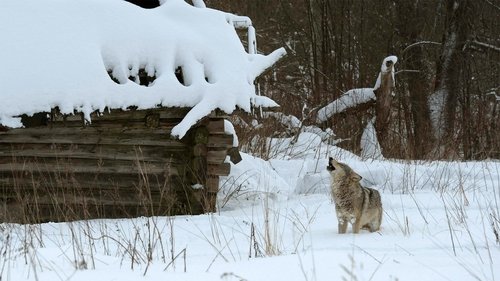
Radioactive Wolves
What happens to nature after a nuclear accident? And how does wildlife deal with the world it inherits after human inhabitants have fled? Radioactive Wolves examines the state of wildlife populations in Chernobyl’s exclusion zone, an area that, to this day, remains too radioactive for human habitation.
53 min

The Animal House
Some of the most amazing, creative, and innovative structures on earth are not man-made.
53 min
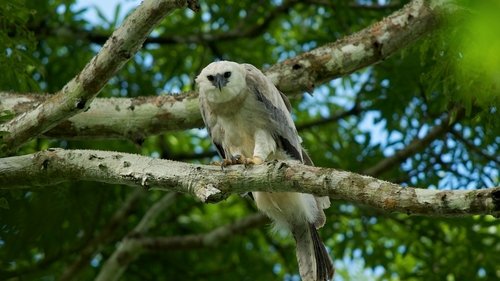
Jungle Eagle
Harpy eagles are the most powerful birds of prey in the world. Standing three feet tall, with a six-foot wingspan and talons the size of bear claws, these birds are the heavyweight hunters of the South American rainforest. Enter their secret world.
53 min
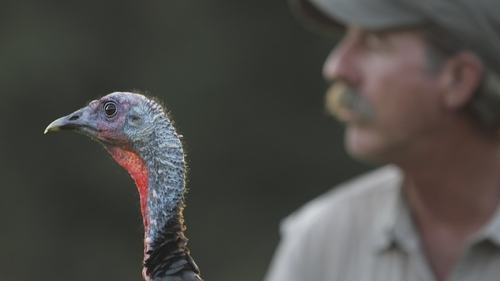
My Life as a Turkey
After a local farmer left a bowl of eggs on Joe Hutto’s front porch, his life was forever changed. Based on his true story, My Life as a Turkey chronicles Hutto’s remarkable and moving experience of raising a group of wild turkey hatchlings to adulthood.
53 min
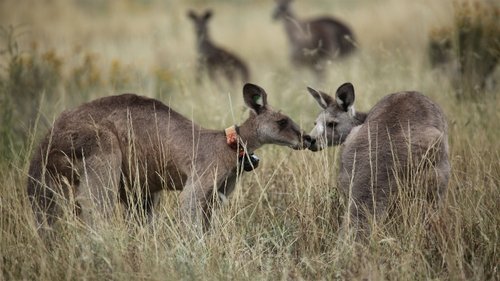
Kangaroo Mob
In the past 50 years, the kangaroo population around Canberra, Australia’s capital city, has exploded from a few hundred to tens of thousands. Following the stories of several urban kangaroos, this film reveals how these marsupials manage to survive the city, and documents the ongoing debate on how best to manage them.
53 min
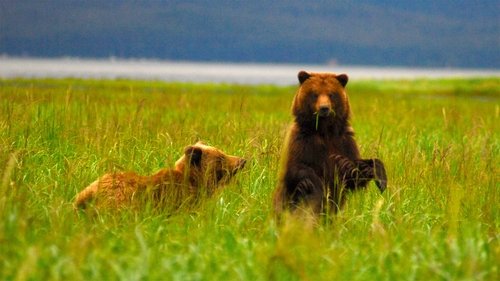
Fortress of the Bears
8.0Alaska’s Admiralty Island is home to the largest concentration of bears in the world. At half the size of Yellowstone National Park, it manages to sustain four times as many grizzlies. The native Tlingít people call this island “Kootznoowoo,” which means “Fortress of the Bears.”
53 min
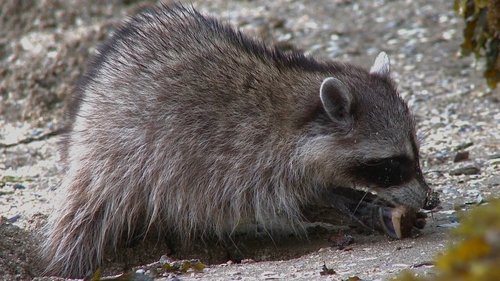
Raccoon Nation
Following a family of urban raccoons over the course of six months, and using high-definition cameras and intensive GPS tracking systems, “Raccoon Nation” reveals new insights about a species that is far more elusive and wily than most people ever imagined, and more destructive.
53 min
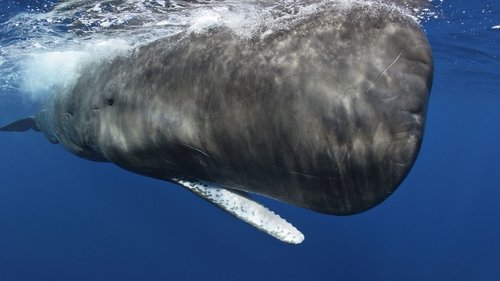
Ocean Giants: Giant Lives
Whales and dolphins conjure a deep sense of wonder in us that’s hard to explain. From the Arctic to the Amazon, this groundbreaking three-part series goes on a global expedition with world-renowned underwater cameramen, Doug Allen (Planet Earth) and Didier Noirot (Jacques Cousteau’s cameraman), as they capture spellbinding footage of these marine mammals. Ocean Giants looks at how cetaceans hunt, mate, and communicate, and follows scientists as they strive to uncover new insights about these animals. The first hour, Giant Lives, enters the world of the great whales. In the Arctic, giant bowhead whales survive the freezing cold wrapped in fifty tons of insulating blubber two-feet thick, making them the fattest animals on the planet. But the biggest animal on the planet is the blue whale. Measuring a hundred feet long, and weighing in at 200 tons, it is double the size of the largest dinosaur.
53 min
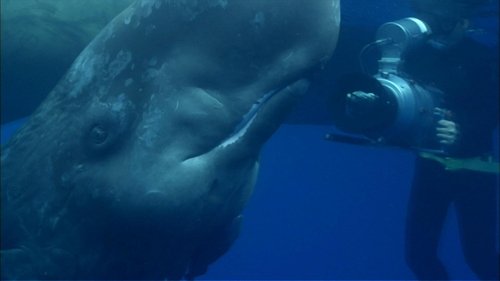
Ocean Giants: Deep Thinkers
Whales and dolphins conjure a deep sense of wonder in us that’s hard to explain. From the Arctic to the Amazon, this groundbreaking three-part series goes on a global expedition with world-renowned underwater cameramen, Doug Allen (Planet Earth) and Didier Noirot (Jacques Cousteau’s cameraman), as they capture spellbinding footage of these marine mammals. Ocean Giants looks at how cetaceans hunt, mate, and communicate, and follows scientists as they strive to uncover new insights about these animals. The second hour, Deep Thinkers, explores the cognitive and emotional lives of dolphins and whales. Like us, cetaceans have special brain cells, spindle cells, that are associated with communication, emotion, and heightened social sensitivity. These cells were once thought to be unique to us, but research is now showing that whales and dolphins may have up to three times more spindle cells than humans.
53 min
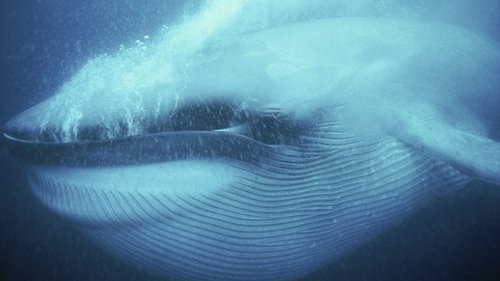
Ocean Giants: Voices of the Sea
Whales and dolphins conjure a deep sense of wonder in us that’s hard to explain. From the Arctic to the Amazon, this groundbreaking three-part series goes on a global expedition with world-renowned underwater cameramen, Doug Allen (Planet Earth) and Didier Noirot (Jacques Cousteau’s cameraman), as they capture spellbinding footage of these marine mammals. Ocean Giants looks at how cetaceans hunt, mate, and communicate, and follows scientists as they strive to uncover new insights about these animals. Marine mammals’ extrasensory perceptions and communication skills are the focus of Voices of the Sea, the final hour of the series. Whales and dolphins depend on sound to function in their ocean home. They use ultrasound to see inside other creatures, clicks and whistles to speak, and echolocation to navigate and hunt in the pitch-black depths.
53 min
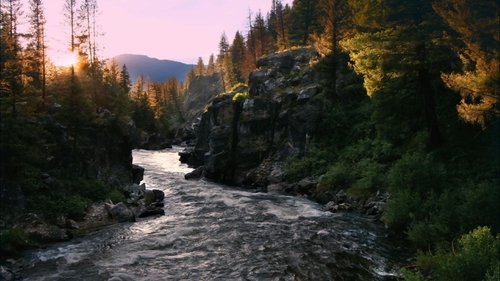
River of No Return
Deep in the heart of Idaho lies the Frank Church-River of No Return Wilderness, part of the largest roadless area left in the lower 48 states. At 2.5 million acres, it is larger than Yellowstone. River of No Return tells the story of a couple that took on the wilderness and all its challenges.
53 min
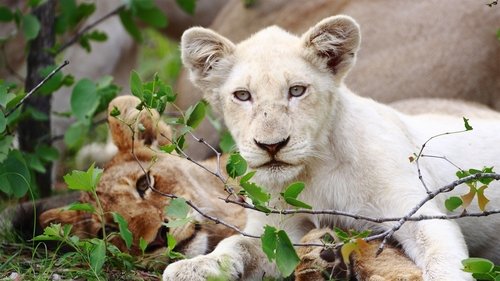
The White Lions
White lions are among the rarest and most treasured animals in the world. Rarer still is their survival in the wild. Follow NATURE as it tracks two white lion cubs as they struggle to survive the dangers they are faced with in South Africa’s Kruger National Park.
53 min
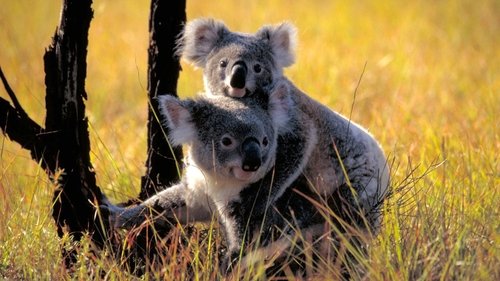
Cracking the Koala Code
8.0Explore the day-to-day dramas of an extended family of koalas, seen through the eyes of the scientists studying their every move and vocalization.
53 min